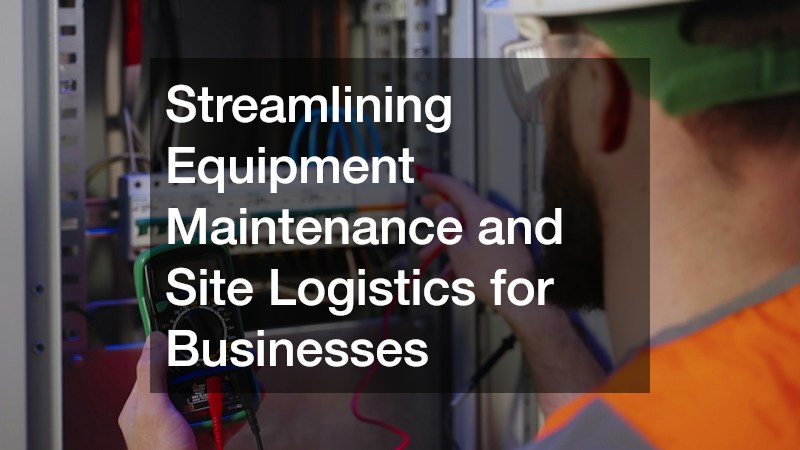
Running a modern commercial or industrial enterprise requires far more than delivering a great product or service to customers. Behind every successful warehouse, manufacturing floor, construction site, and distribution hub lies an intricate network of physical infrastructure, heavy machinery, and external vendor partnerships. When equipment breaks down unexpectedly or site logistics fall into disarray, production schedules slip, safety risks climb, and overhead expenses quickly erode profit margins. Taking a proactive, organized approach to facility management ensures that daily workflows remain predictable and teams can focus on core business growth rather than constant firefighting.
Smart business leaders recognize that attempting to handle every specialized maintenance, fabrication, and logistical task in-house often stretches internal staff too thin. By establishing reliable processes and partnering with seasoned trade professionals, companies gain access to specialized expertise, commercial-grade equipment, and rapid response times. From preventative mechanical upkeep and structural fabrication to seasonal property care and financial compliance, building a cohesive operational framework turns complex site logistics into a lasting competitive advantage.
Establishing Proactive Preventative Maintenance Schedules
Waiting for critical machinery to fail before scheduling service is one of the costliest mistakes a commercial operation can make. Unplanned downtime halts output across entire facilities, idles skilled labor, and triggers expensive rush shipping fees for replacement components. Implementing a structured preventative maintenance calendar allows facility managers to inspect wear parts, monitor fluid levels, and calibrate sensitive instruments during planned off-hours. Consistent tracking through digital maintenance logs helps teams spot recurring mechanical patterns early, extending the lifespan of valuable capital assets while keeping safety standards high across the shop floor.
Empowering maintenance crews to execute scheduled inspections efficiently depends heavily on having the right diagnostic instruments and hand tools ready at a moment’s notice. Equipping mobile and on-site staff with well-organized field technician toolkits minimizes wasted trips back to the supply crib and ensures technicians can complete torque checks, electrical testing, and minor adjustments on the first visit. Standardizing these kits across shifts also simplifies inventory replenishment and prevents specialized gauges or insulated drivers from going missing during urgent troubleshooting calls.
Optimizing Material Handling Across Production Floors
Efficient material movement forms the backbone of any high-output manufacturing, packaging, or distribution facility. When raw materials, sub-assemblies, and finished goods have to be moved manually or transferred through awkward bottlenecks, labor costs rise and workplace injury risks increase. Evaluating the physical layout of a workspace helps operations managers identify dead zones, tight corners, and elevation changes where workflow slows down. Streamlining these pathways creates a smoother rhythm between receiving docks, processing stations, and outbound shipping bays.
Off-the-shelf material handling equipment rarely accounts for the unique floor plans, load weights, and speed requirements of specialized commercial facilities. Investing in custom built conveyor systems enables businesses to tailor incline angles, belt materials, and automated sorting controls directly to their exact production goals. Experienced engineering teams design these tailored transport lines to integrate seamlessly with existing machinery, boosting throughput capacity while freeing warehouse staff to focus on quality control and fulfillment accuracy.
Sourcing Precision Components for Specialized Machinery
Modern industrial equipment relies on tightly calibrated mechanical assemblies that must perform reliably under continuous stress and demanding operating tolerances. Over time, gears, shafts, brackets, and housings experience natural wear, and older machines occasionally require replacement parts that original manufacturers no longer keep in stock. Having a dependable domestic fabrication partner prevents minor component wear from turning into months-long supply chain delays. Rapid access to high-accuracy replacement parts keeps legacy equipment running alongside newer automated lines without sacrificing performance.
Partnering with skilled specialists who offer precision cnc machining gives commercial operations the flexibility to produce complex metal and polymer components to exact digital specifications. Advanced computer-controlled milling and turning centers deliver repeatable accuracy across both single emergency prototypes and mid-volume production runs. By working closely with knowledgeable machinists, maintenance engineers can even upgrade high-wear parts using stronger alloys or improved geometries, resulting in smoother machine operation and longer intervals between scheduled rebuilds.
Strengthening Structural Integrity Through Expert Fabrication
Heavy commercial facilities, loading docks, mezzanines, and material storage racks endure tremendous daily stress from forklifts, overhead hoists, and shifting inventory loads. Even minor structural cracks, bent guardrails, or worn mounting brackets can compromise workplace safety and disrupt daily operations if left unaddressed. Regular structural walkthroughs allow safety officers and facility directors to identify metal fatigue, corrosion, or impact damage early, ensuring the physical environment remains secure for personnel and inventory alike.
When structural repairs, custom safety guarding, or heavy equipment modifications are required, professional industrial welding services provide the strength and durability commercial environments demand. Certified welders bring expertise across structural steel, aluminum, and stainless alloys, ensuring every joint meets strict load-bearing and safety codes. Whether reinforcing high-traffic dock plates, fabricating custom support frames, or repairing heavy equipment attachments on-site, skilled metal fabrication keeps facility infrastructure solid and dependable for years of continuous service.
Maintaining Fluid Power and Heavy Hydraulic Systems
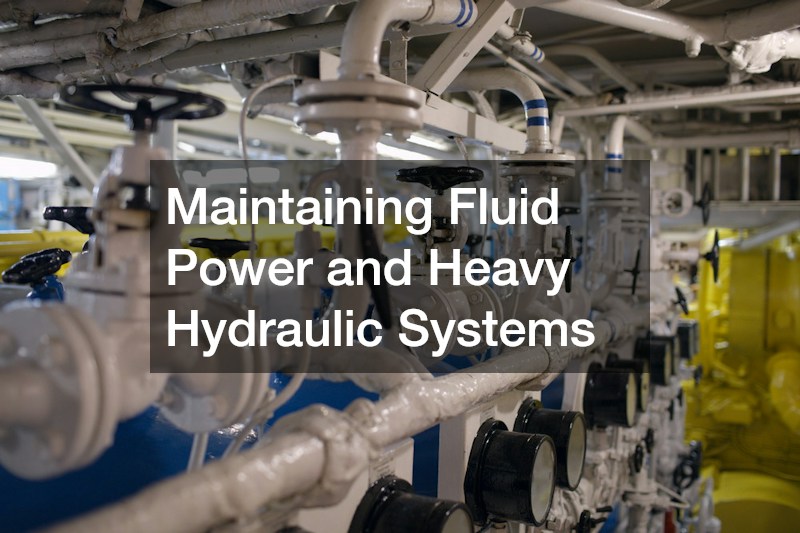
Hydraulic systems power some of the most demanding machinery in manufacturing, construction, waste management, and material handling. From stamping presses and dock levelers to compactors and lifting platforms, fluid power delivers immense force in compact footprints. However, constant pressure cycles, temperature fluctuations, and microscopic fluid contamination gradually wear down internal seals, rods, and barrels. Monitoring hydraulic systems for sluggish response times, pressure drops, or minor fluid weeping helps operators address issues before sudden seal blowouts halt critical equipment.
Rather than replacing entire assemblies at a steep capital expense, partnering with technicians who specialize in hydraulic cylinder repair offers a fast, cost-effective path back to full operating strength. Experienced hydraulic shops disassemble, hone, reseal, and pressure-test damaged cylinders using high-grade components engineered for demanding duty cycles. Restoring worn cylinders to factory specifications reduces waste, shortens lead times, and ensures heavy lifting and pressing equipment operates smoothly and safely under peak loads.
Coordinating Heavy Lifts and Facility Equipment Installation
Expanding production capacity, relocating heavy machinery, or upgrading rooftop HVAC units requires careful spatial planning and specialized lifting expertise. Moving multi-ton equipment inside tight industrial interiors or across busy commercial properties involves complex rigging calculations, weight distribution assessments, and strict safety coordination. Attempting complex lifts with undersized forklifts or improvised rigging risks severe property damage, ruined machinery, and serious workplace injuries. Proper site preparation and clear communication between project managers and rigging crews make major installations predictable and stress-free.
Working alongside reputable local crane services ensures that heavy equipment placements, structural steel erection, and rooftop unit swaps are executed with precision. Professional crane operators bring modern hydraulic cranes, certified rigging gear, and deep knowledge of local permitting and site access requirements. Their ability to position massive loads safely in confined spaces dramatically reduces installation timelines, allowing businesses to bring new production lines or facility upgrades online right on schedule.
Streamlining Site Cleanup and Commercial Waste Removal
Construction projects, warehouse reorganizations, equipment upgrades, and seasonal inventory purges all generate substantial volumes of debris, scrap metal, and packaging waste. When discarded pallets, broken concrete, or obsolete fixtures pile up around loading docks and work zones, they create tripping hazards, block delivery trucks, and slow down active crews. Establishing a clear waste containment and hauling plan keeps work areas uncluttered, improves safety compliance, and maintains a professional appearance for visiting clients and inspectors.
Scheduling timely deliveries and pickups of roll off dumpsters gives facility managers and site supervisors a convenient, centralized solution for high-volume debris management. Available in multiple container sizes to fit tight alleys or sprawling industrial yards, these heavy-duty containers simplify sorting and hauling for renovation debris, scrap materials, and cleanout waste. Reliable drop-off and swap-out scheduling ensures crews never have to pause work due to overflowing bins, keeping projects moving forward cleanly and efficiently.
Protecting Winter Access and Outdoor Property Safety
For businesses operating in regions with harsh winter weather, snow and ice accumulation pose immediate threats to operational continuity and premises liability. Unplowed parking lots, icy loading dock ramps, and blocked fire lanes can delay early-morning shift changes, stall freight deliveries, and create serious slip-and-fall hazards for employees and visitors. Relying on overworked maintenance staff with small utility equipment often leaves commercial properties vulnerable during overnight storms or multi-day freeze events.
Contracting with dedicated commercial snow removal services provides businesses with proactive storm monitoring, rapid plowing, and targeted de-icing treatments before the workday begins. Professional snow management crews utilize commercial-grade plows, loaders, and eco-conscious ice melt products tailored to large parking lots, steep dock approaches, and pedestrian walkways. Having a dependable winter response partner keeps supply chains moving without weather-related interruptions while protecting both personnel and visiting drivers throughout the coldest months.

Preparing Reliable Recovery Plans for Commercial Fleets
Businesses that operate delivery trucks, service vans, box trucks, or heavy vocational vehicles depend on fleet reliability to fulfill customer commitments every single day. Even with rigorous preventative maintenance, commercial vehicles face unpredictable road hazards, mechanical failures, and severe weather conditions while out on routes. When a loaded commercial vehicle breaks down on a busy highway or gets stuck at an uneven job site, every minute of delay impacts customer satisfaction, driver safety, and downstream delivery schedules.
Establishing an account with a trusted provider of heavy duty towing ensures fleet managers have immediate access to specialized recovery vehicles capable of handling high-gross-weight trucks and equipment. Experienced heavy recovery operators arrive equipped with underlifts, rotators, and air-cushion recovery gear designed to transport commercial vehicles safely without causing secondary drivetrain or frame damage. Having a vetted recovery partner on speed dial turns potential roadside emergencies into managed, predictable logistics events.
Consolidating Vendor Contracts for Operational Efficiency
Managing dozens of disconnected contractors across mechanical maintenance, facility upkeep, waste hauling, and fleet support can quickly overwhelm administrative teams. When every department hires vendors independently, businesses often face inconsistent safety standards, overlapping service agreements, and unpredictable emergency billing rates. Consolidating vendor relationships under clear service-level agreements creates accountability, streamlines communication, and ensures every contractor entering the property understands site-specific safety protocols.
Regularly reviewing vendor performance allows operations leaders to evaluate response times, workmanship quality, and total lifecycle value rather than simply chasing the lowest initial quote. Long-term partnerships with dependable local tradespeople foster mutual familiarity with the facility’s unique equipment, layout, and seasonal demands. Over time, these trusted relationships lead to faster troubleshooting, priority scheduling during peak seasons, and smoother coordination whenever multi-trade facility projects arise.
Centralizing vendor onboarding also simplifies insurance verification, safety orientation, and site security credentialing. Instead of scrambling to collect certificates of insurance during an urgent breakdown, procurement teams maintain an up-to-date roster of pre-qualified trade partners ready to deploy immediately. This organized approach saves administrative hours while raising overall service reliability across the entire organization.
Leveraging Data to Track Maintenance and Logistics Costs
Clear operational visibility is essential for controlling overhead and justifying capital equipment investments. Without accurate tracking of repair frequencies, vendor invoices, downtime hours, and waste hauling expenses, managers are forced to make budgeting decisions based on guesswork. Implementing straightforward asset-tracking software or structured maintenance spreadsheets allows leadership teams to measure true cost-per-hour across machinery and identify aging assets that consume disproportionate repair budgets.
Analyzing historical maintenance and site logistics data also reveals valuable opportunities for seasonal optimization and bulk purchasing. When managers can see exactly when hydraulic rebuilds, fabrication projects, or container hauls occur throughout the year, they can negotiate favorable annual service rates and schedule non-urgent work during slower production windows. Data-driven oversight transforms facility maintenance from an unpredictable expense line into a well-managed operational investment.
Tracking key performance indicators such as mean time between failures, first-time fix rates, and vendor response windows also empowers managers to hold internal teams and external contractors to clear standards. Over time, accurate operational records provide concrete evidence when pitching equipment upgrades or facility expansions to executive leadership and lenders.

Aligning Operational Spending with Financial Strategy
Every equipment upgrade, preventative maintenance contract, and facility improvement carries important financial and tax implications that deserve careful coordination between operations and finance teams. Understanding how capital improvements, machinery repairs, vehicle recovery expenses, and contracted site services are categorized can significantly impact annual cash flow and tax liability. When operational managers and financial advisors communicate regularly, businesses can time major equipment purchases and facility upgrades to maximize available deductions and depreciation schedules.
Working closely with professionals who specialize in business tax accounting helps growing companies maintain clean financial records while capturing every legitimate operational deduction. Knowledgeable tax advisors ensure that maintenance expenses, custom equipment fabrications, and contracted facility services are properly documented and classified throughout the fiscal year. Distinguishing accurately between immediately deductible routine repairs and long-term capital improvements prevents costly audit issues and optimizes year-end tax positioning.
Proactive financial planning also helps leadership teams structure equipment financing, lease agreements, and multi-year maintenance reserves with clarity. When site logistics and financial strategy operate in lockstep, businesses preserve working capital, improve budget predictability, and build a stronger financial foundation for sustainable expansion.
Streamlining equipment maintenance and site logistics is an ongoing commitment that pays dividends across every corner of a commercial enterprise. By combining proactive internal schedules with specialized outside expertise in areas ranging from mechanical fabrication and fluid power repair to seasonal property care and fleet recovery, businesses eliminate costly bottlenecks before they disrupt daily output. A well-maintained facility with organized logistics not only protects profit margins but also creates a safer, more productive environment for employees and clients alike.
As companies scale into larger facilities, heavier machinery, and broader service territories, having a trusted network of skilled trade and financial partners becomes indispensable. Taking the time to audit current maintenance workflows, modernize material handling, and formalize vendor relationships builds lasting operational resilience. With smart planning and dependable support teams in place, businesses can navigate seasonal challenges, unexpected equipment demands, and rapid growth with complete confidence.